
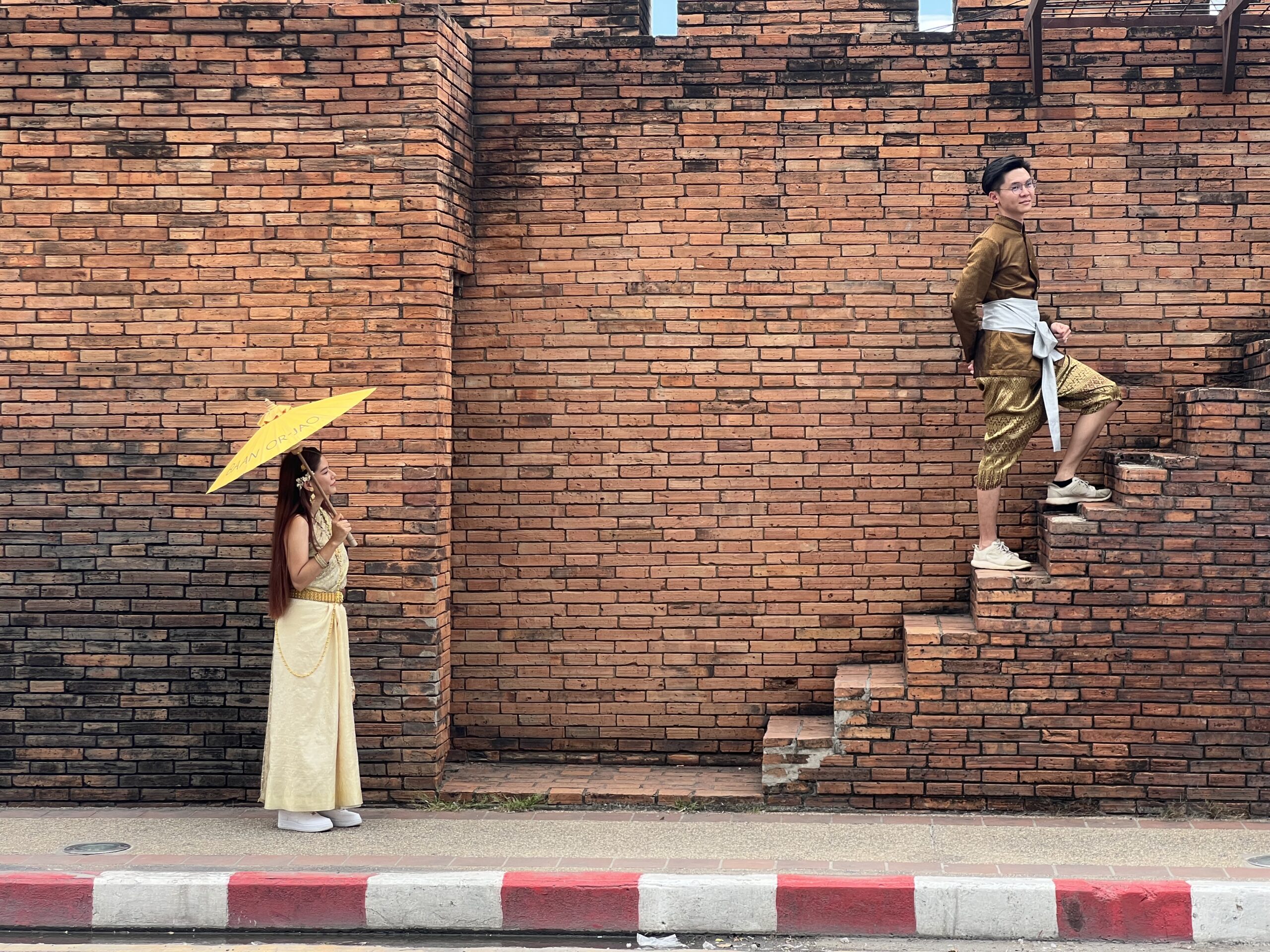
Beyond the Beaches: Discovering Real Thailand
You’ve seen the postcards. The limestone karsts of Krabi. The Full Moon parties of Koh Phangan. The bustling streets of Bangkok. But there’s a Thailand that most travelers never see—a Thailand that exists far from the tourist trails, where authenticity isn’t a marketing slogan but a way of life.
Welcome to Isan.
Northeast Thailand’s vast plateau, bordered by Laos and Cambodia, is the country’s largest region and its best-kept secret. While the rest of Thailand has raced toward modernization and tourism development, Isan has remained stubbornly, beautifully itself. This is where you’ll find the Thailand that existed before the guidebooks—a land of ancient temples, fiery cuisine, and some of the warmest people you’ll ever meet.
“Isan doesn’t try to impress you. That’s the beauty of it.”
What Makes Isan Different
The Northeast is Thailand’s poorest region economically, but its richest culturally. The extreme climate—swinging between scorching dry seasons and monsoon floods—has shaped a people who are resilient, resourceful, and genuinely welcoming. Here, you’re not a walking ATM. You’re a guest.
The Language of the Heart
Isan people speak their own dialect, closely related to Lao, and many older locals barely speak Central Thai. But here’s the thing—language barriers don’t matter here. Communication happens through gestures, smiles, and the universal language of shared meals. You’ll find yourself connecting with people in ways that transcend words.
A Cuisine Like No Other
Isan food is Thailand’s most distinctive regional cuisine, and it’s not for the faint of heart. This is where you’ll find the country’s spiciest dishes, most pungent flavors, and most adventurous proteins. Forget pad thai—here, it’s all about:
• Som Tam: Green papaya salad pounded with chilies, lime, and fermented fish sauce (pla ra)—the region’s most famous export
• Larb: Spicy minced meat salad with toasted rice powder, herbs, and enough chilies to make you sweat
• Gai Yang: Charcoal-grilled chicken marinated in lemongrass and spices, served with sticky rice
• Sai Krok Isaan: Fermented pork sausages with a uniquely sour tang
• Lao Khao: Potent rice whiskey that flows freely at any gathering
The food is communal. Dishes arrive on large bamboo trays, and everyone eats together, using sticky rice as utensils to scoop up flavorful bites. It’s messy, it’s loud, and it’s absolutely authentic.
Where to Go: The Essential Isan Experience
Nong Khai: The Mekong Riverside
This sleepy riverside town sits on the banks of the Mekong, staring across at Laos. It’s home to the bizarre and beautiful Sala Kaew Ku sculpture park—a wonderland of massive concrete statues depicting Buddhist and Hindu mythology. The town’s walking street (Tha Sadet Market) comes alive in the evening with street food, handicrafts, and locals enjoying the cool river breeze.
Udon Thani: Gateway to the Northeast
With an international airport and modern amenities, Udon Thani makes an excellent base for exploring the region. But don’t just pass through—the nearby Ban Chiang UNESCO World Heritage Site contains prehistoric artifacts dating back 5,000 years, and Wat Pa Phu Kon temple features a stunning 65-foot reclining Buddha in the forest.
Buriram: Ancient Khmer Temples Without the Crowds
The Angkor Empire once ruled much of Isan, leaving behind magnificent temples that rival Cambodia’s famous sites—minus the tourist hordes. Phanom Rung Historical Park is a mountaintop temple complex aligned with the sun during the equinoxes. Prasat Hin Phimai, one of Thailand’s largest Khmer temples, features intricate carvings and a sense of ancient mystery. You’ll often have these sites entirely to yourself.
Ubon Ratchathani: Temples and Traditions
Home to Wat Pa Nanachat, one of Thailand’s most accessible meditation retreats for foreigners, Ubon offers spiritual seekers a chance to experience monastic life. The annual Candle Festival (Khao Phansa) features enormous carved beeswax candles paraded through the streets—a spectacle unlike anything else in Thailand.
Experiences You Can’t Find Anywhere Else
Stay in a Village Homestay
Forget hotels. In villages across Yasothon, Surin, and Amnat Charoen, local families open their bamboo homes to visitors. You’ll sleep on a raised platform, take bucket showers, and wake to the sound of roosters. Meals are cooked over open fires, and evenings are spent sharing stories (and rice whiskey) with your hosts. It’s not comfortable by Western standards—but it’s real.
Join a Mor Lam Street Party
Mor Lam is Isan’s signature music—fast, rhythmic, and irresistibly danceable. When a temple fair or village celebration breaks out, giant speakers appear, and locals of all ages gather to dance, drink, and celebrate. You don’t need to know the lyrics. Just smile, move your feet, and accept the inevitable shot of lao khao.
Witness the Rocket Festival
Held in May and early June, Bun Bang Fai is one of Thailand’s wildest traditions. Villages compete to launch massive homemade rockets—some over 30 feet long—into the sky to encourage the rains. The festivities include parades, cross-dressing dancers, and enough rice whiskey to fuel the rockets themselves. It’s chaotic, dangerous, and absolutely unforgettable.
Cycle Through the Rice Fields
Isan’s flat terrain and empty roads make it perfect for cycling. Rent a motorbike or bicycle in Chiang Khan or That Phanom and explore at your own pace. You’ll pass endless rice paddies, water buffalo wallowing in mud, and children who wave enthusiastically at the foreigner passing through their village. Stop at roadside stalls for grilled chicken and cold drinks. This is slow travel at its finest.
Why Isan Appeals to Men Seeking Authenticity
In a world of Instagram tourism and manufactured experiences, Isan offers something increasingly rare: genuine human connection. Here’s why men looking for authenticity are drawn to this region:
No Pretense
Isan doesn’t put on a show for tourists. What you see is what you get—farmers working their fields, families eating together on their porches, monks collecting alms at dawn. There’s no script, no performance. Just life as it’s actually lived.
Real Challenges
Traveling in Isan requires effort. English is rarely spoken. Public transportation is limited. The heat is intense, and the food can be brutally spicy. But overcoming these challenges—figuring out how to order food, navigating rural roads, communicating without words—builds confidence and creates stories worth telling.
Brotherhood Over Beer
Isan men are famously hospitable, especially when alcohol is involved. Sit at a local shop with a bottle of lao khao, and it won’t be long before you’re sharing drinks with new friends. The conversations may be limited by language, but the connection is real. You’ll be invited to meals, introduced to families, and treated like a brother.
A Slower Pace
Life in Isan moves at the speed of the seasons. There’s no rush, no FOMO, no pressure to see everything. Days unfold naturally—morning markets, afternoon naps during the heat, evening gatherings as the temperature drops. It’s a reminder that life doesn’t have to be a constant hustle.
Making It Happen: Practical Tips
Getting around Isan requires some planning. While major cities are connected by buses and trains, the real magic happens in rural areas where public transport is scarce. Renting a motorbike or car gives you the freedom to explore at your own pace. Udon Thani has an international airport with connections to Bangkok, making it the easiest entry point.
Timing matters. The cool season (November to February) offers pleasant temperatures and is ideal for exploring. The hot season (March to May) is brutally hot but includes the spectacular Rocket Festival. The rainy season (June to October) transforms the landscape into vivid green but can make rural roads challenging.
Learn a few Thai phrases. While English is limited, attempts to speak Thai—even badly—are always appreciated. “Sawasdee krab” (hello), “khop khun krab” (thank you), and “arroy” (delicious) will take you far.
The Thailand You’ve Been Looking For
Isan isn’t for everyone. If you need luxury resorts, English menus, and air-conditioned comfort, stick to the islands. But if you’re a man seeking something real—a place where you can disconnect from the performance of modern life and connect with something ancient and true—Northeast Thailand is waiting.
This is the Thailand that changes people. The Thailand that strips away pretense and reveals what matters: good food, genuine connection, and the simple beauty of a life lived close to the land.
“In Isan, you don’t find authenticity. Authenticity finds you.”
Pack light. Bring an open mind. And prepare to discover the heart of Thailand.